
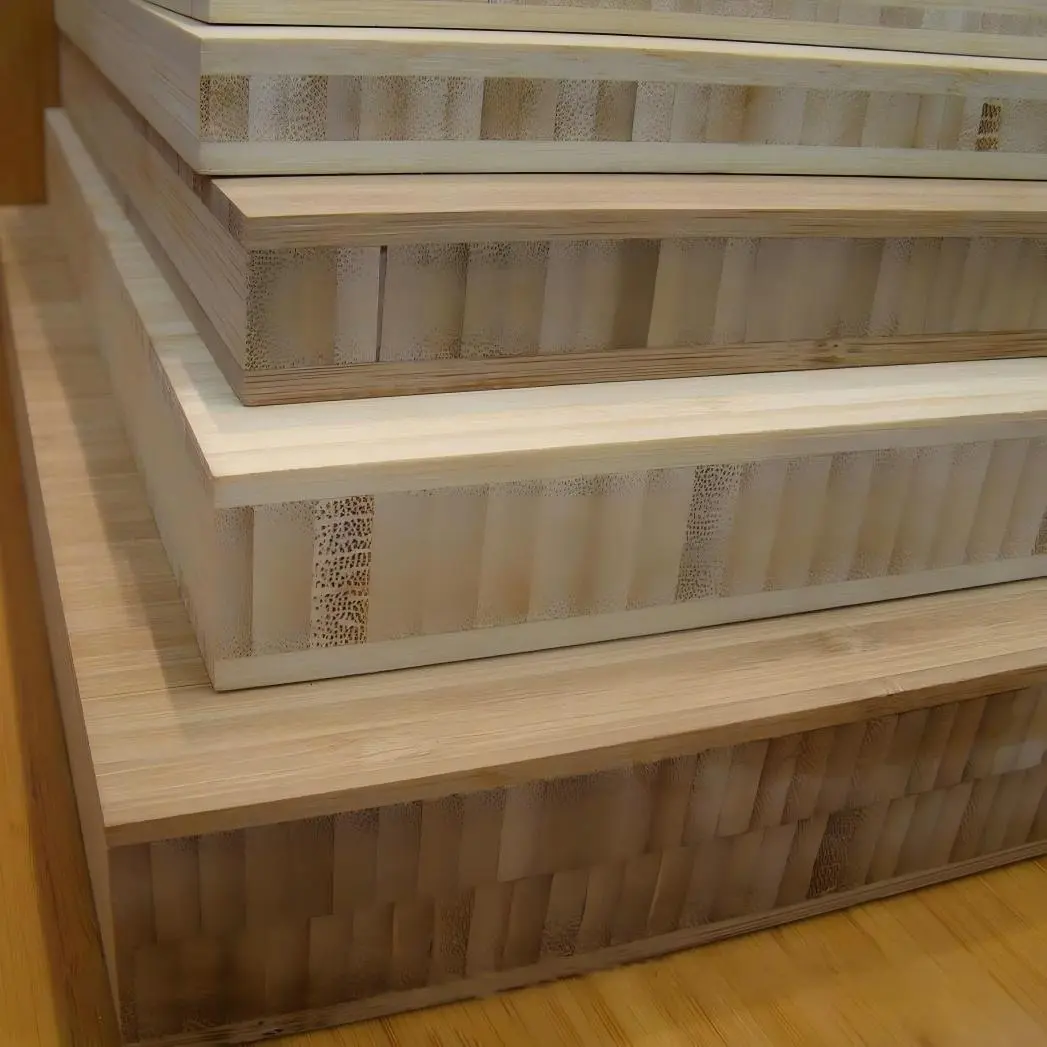
For furniture brands, cabinet makers, interior contractors and material distributors, choosing the right bamboo panel begins with understanding how the strips and layers are arranged. Reliable bamboo plywood manufacturers should not quote only a thickness and price. They should identify the construction, grain direction, surface color, edge treatment, adhesive system, moisture target and dimensional tolerance that match the finished product.
This guide explains the main panel types available from a bamboo plywood factory, including horizontal-pressed single-layer sheets, composite double-layer and multilayer panels, side-pressed boards, cross-laminated boards and I-structure panels. It also provides the common thicknesses used in our wholesale bamboo plywood programs and a practical stability comparison for thicker applications.
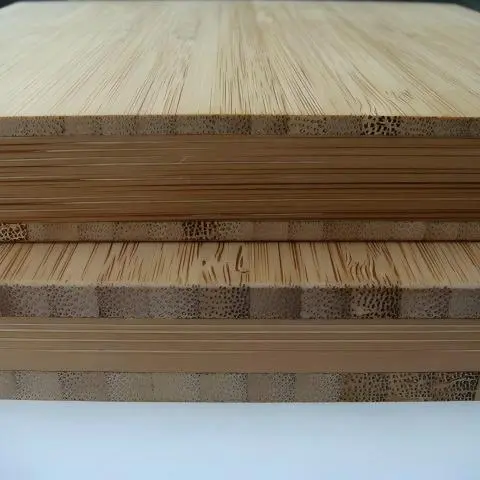
Bamboo Plywood Types at a Glance
The names used in international purchasing can vary, so a drawing or approved edge sample is more reliable than a product name alone. In this article, the constructions are described as follows:
| Panel Type | Construction | Common Thicknesses | Main Selection Point |
|---|---|---|---|
| Horizontal-pressed single-layer bamboo plywood | Flat-oriented bamboo strips in one layer | 4, 5, 6, 7, 8 mm | Thin decorative sheet with a wider flat-grain appearance |
| Composite double-layer horizontal-pressed bamboo plywood | Two bonded horizontal-pressed layers | 8, 9, 10, 11, 12, 13, 14, 15, 16 mm | Moderate thickness with a horizontal-grain surface |
| Composite multilayer horizontal-pressed bamboo plywood | Three or more bonded layers for thicker panels | 14, 15, 16, 17, 18, 19, 20, 22, 25, 28, 30 mm | Broad thickness range for furniture and fabricated components |
| Side-pressed bamboo plywood | Bamboo strips turned on edge and pressed together | 16 and 21 mm are regular sizes | Fine linear grain and better thick-panel stability than horizontal-pressed construction |
| Cross-laminated bamboo plywood | Longitudinal and transverse layers arranged in alternating directions | 10, 12, 15, 18, 20, 22, 25, 28, 30 mm | Balanced construction and strong dimensional stability |
| I-structure bamboo panel | Outer bamboo skins combined with an engineered vertical or I-shaped core structure | Custom according to design | Highest structural stability in thicker-panel applications among the constructions compared here |
These are common production specifications, not the only possible sizes. Before ordering, confirm the finished thickness, tolerance, standard sheet size, sanding allowance and minimum order quantity with the factory. A nominal thickness should never replace an approved specification.
Horizontal-Pressed Bamboo Plywood: Single, Double and Multilayer
Horizontal pressing is sometimes called flat pressing or flat-grain construction. The broad face of each bamboo strip is visible, creating a wider and more natural bamboo grain pattern. Because this structure can be produced as a thin single layer or built into thicker composite panels, buyers must state the required layer count as well as the total thickness.
Single-Layer Horizontal-Pressed Bamboo Plywood
Single-layer sheets are commonly available in 4 mm, 5 mm, 6 mm, 7 mm and 8 mm. They are useful when the project needs a relatively thin bamboo surface or component. Typical possibilities include decorative skins, craft components, laminated parts, drawer or cabinet components and other applications supported by a suitable frame or substrate. The exact end use must match the panel thickness and product design.
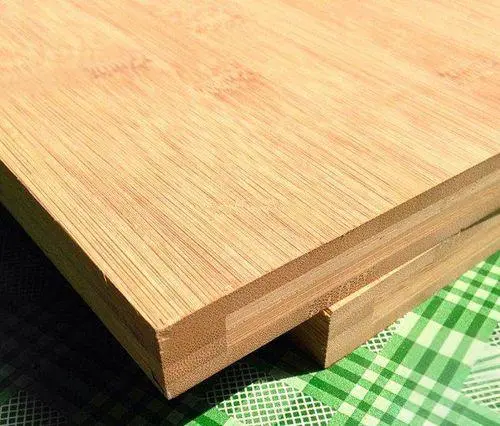
Edge banding is an additional treatment, not a separate core structure. It can improve the finished appearance, protect a visible laminated edge and help the panel match a furniture design. Buyers should specify edge-band material, thickness, color, adhesive, covered sides and corner treatment.
Composite Double-Layer Horizontal-Pressed Bamboo Plywood
Composite double-layer panels are commonly supplied in 8 mm, 9 mm, 10 mm, 11 mm, 12 mm, 13 mm, 14 mm, 15 mm and 16 mm. The two bonded layers provide more thickness than a single sheet while keeping the familiar horizontal-grain surface. They can suit furniture parts, panels and laminated components when the design does not require the higher cross-direction stability of a cross-laminated construction.
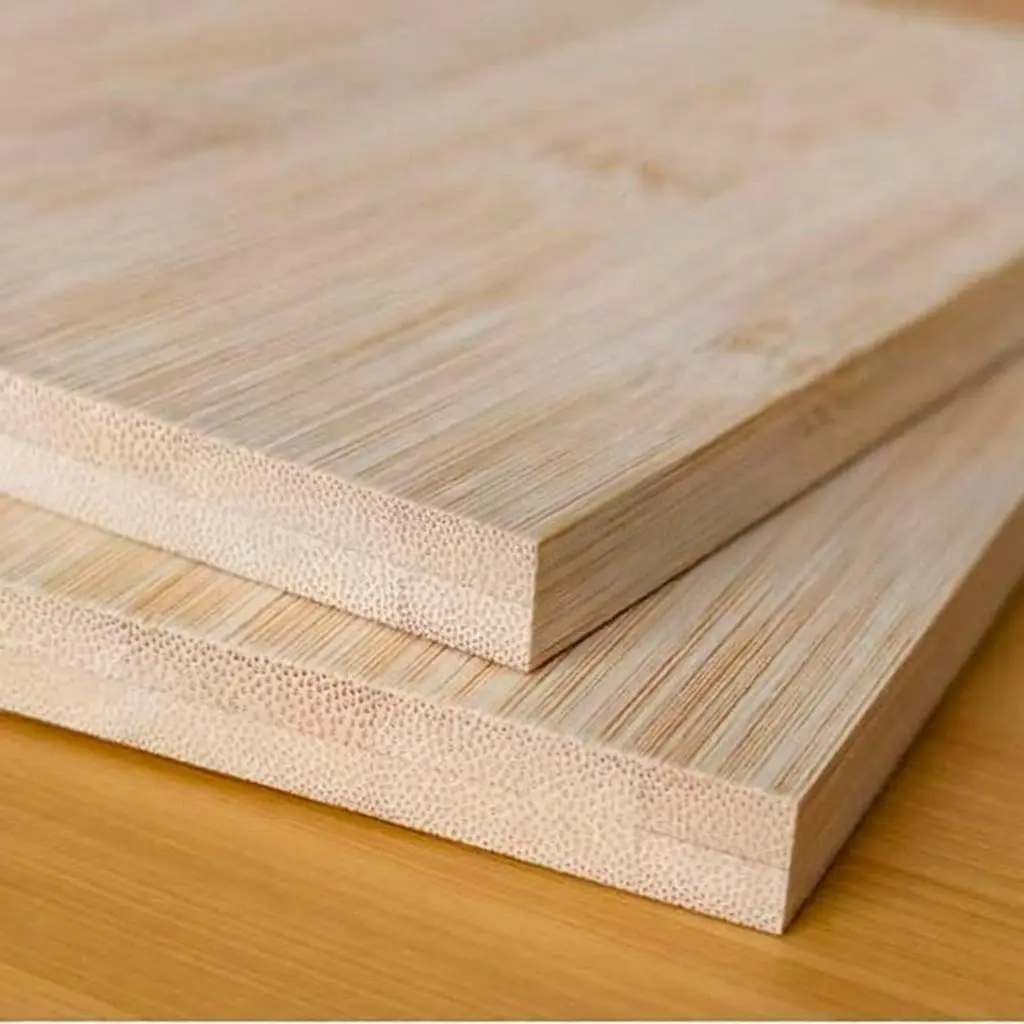
Composite Multilayer Horizontal-Pressed Bamboo Plywood
For thicker horizontal-grain boards, composite multilayer construction is commonly produced in 14 mm, 15 mm, 16 mm, 17 mm, 18 mm, 19 mm, 20 mm, 22 mm, 25 mm, 28 mm and 30 mm. These panels give designers a wide thickness range for furniture, shelving, tabletops, cabinet parts and machined components. However, increasing thickness alone does not automatically create the most stable structure. Layer direction and core design remain important.
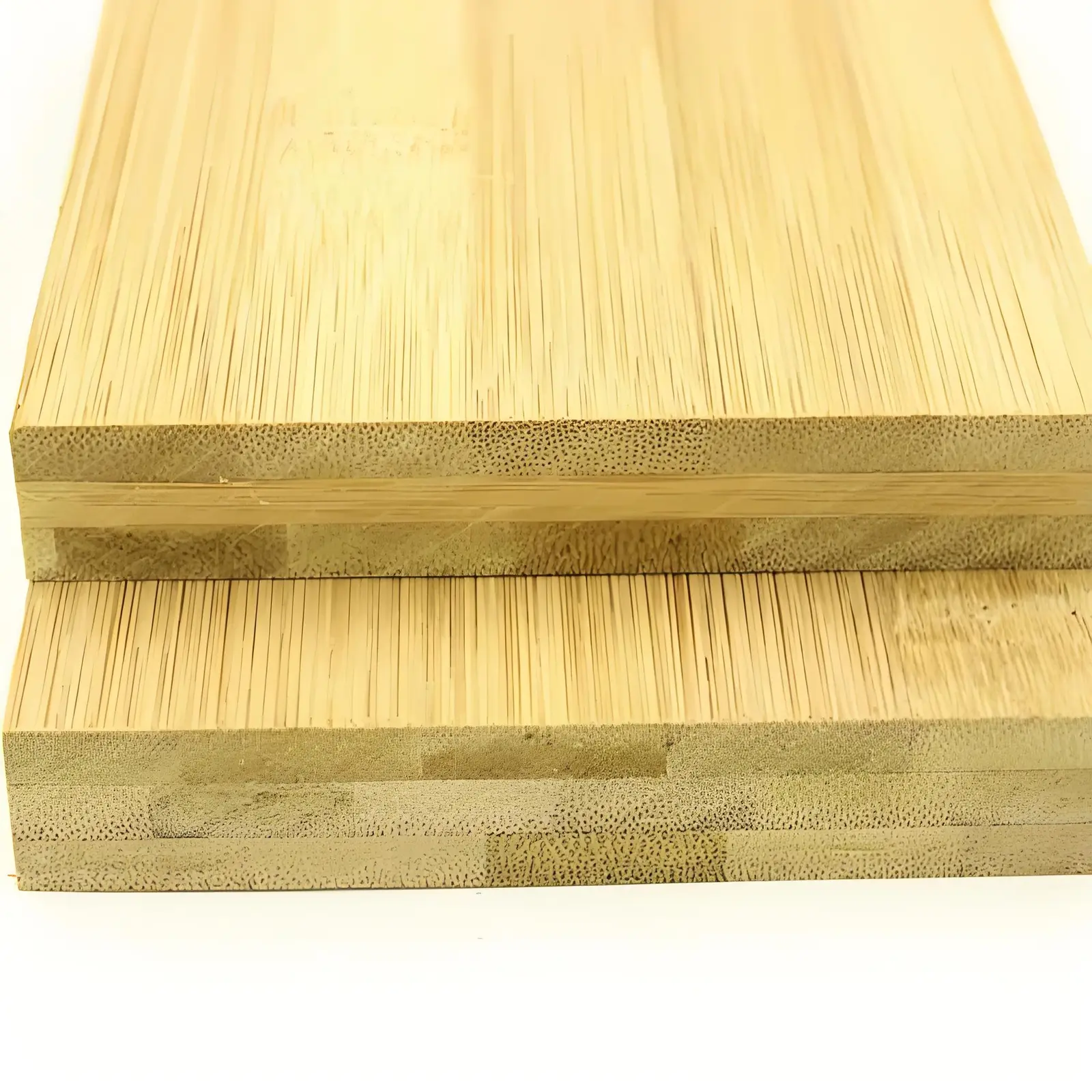
Side-Pressed Bamboo Plywood
Side-pressed bamboo plywood, also called vertical-grain bamboo plywood, is made by turning the bamboo strips on edge before pressing. This creates a tighter, more linear surface pattern. The dense strip arrangement can provide improved structural and dimensional stability in thicker applications compared with a conventional horizontal-pressed panel of comparable material and production quality.
The regular thicknesses are 16 mm and 21 mm. These sizes are widely considered for furniture components, countertops, shelves, work surfaces and other fabricated parts. Buyers should still confirm span, load direction, support spacing and machining details before selecting the panel.
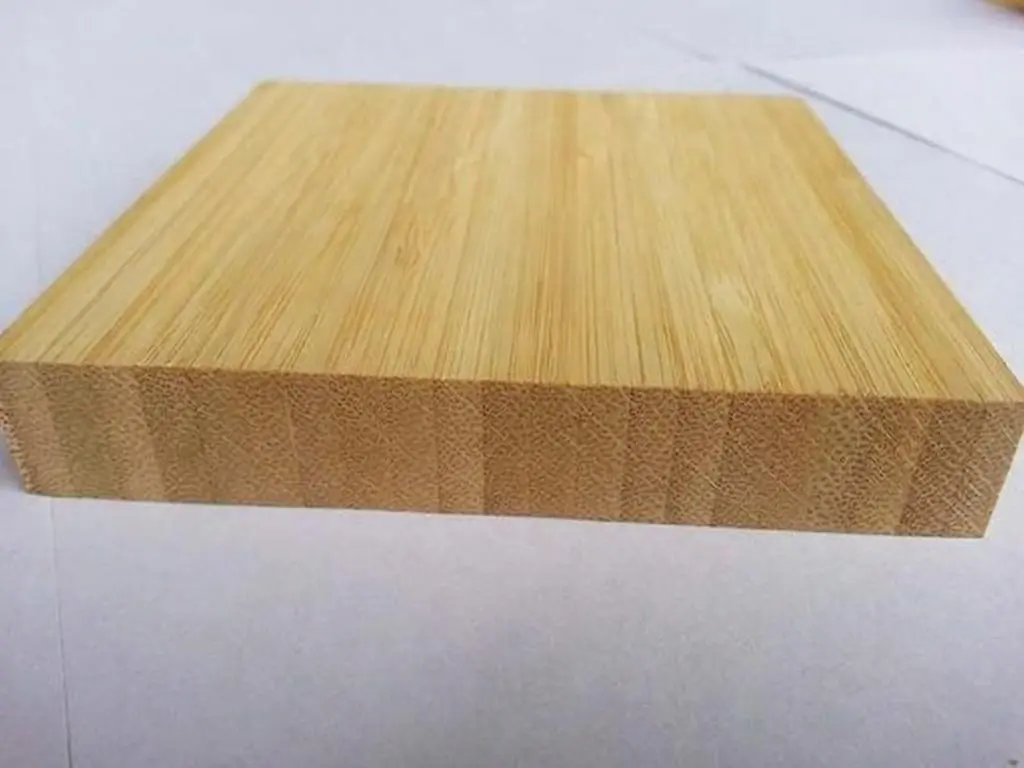
Cross-Laminated Bamboo Plywood
Cross-laminated bamboo plywood uses longitudinal and transverse layers in alternating directions. This balanced arrangement helps control movement across the panel and improves stability in more than one direction. It is an important option for thicker furniture panels, shelving, cabinetry and other components where flatness and dimensional consistency are priorities.
Common cross-laminated thicknesses are 10 mm, 12 mm, 15 mm, 18 mm, 20 mm, 22 mm, 25 mm, 28 mm and 30 mm. The buyer should confirm the exact layup, number of layers and face orientation because panels with the same total thickness can have different internal structures.
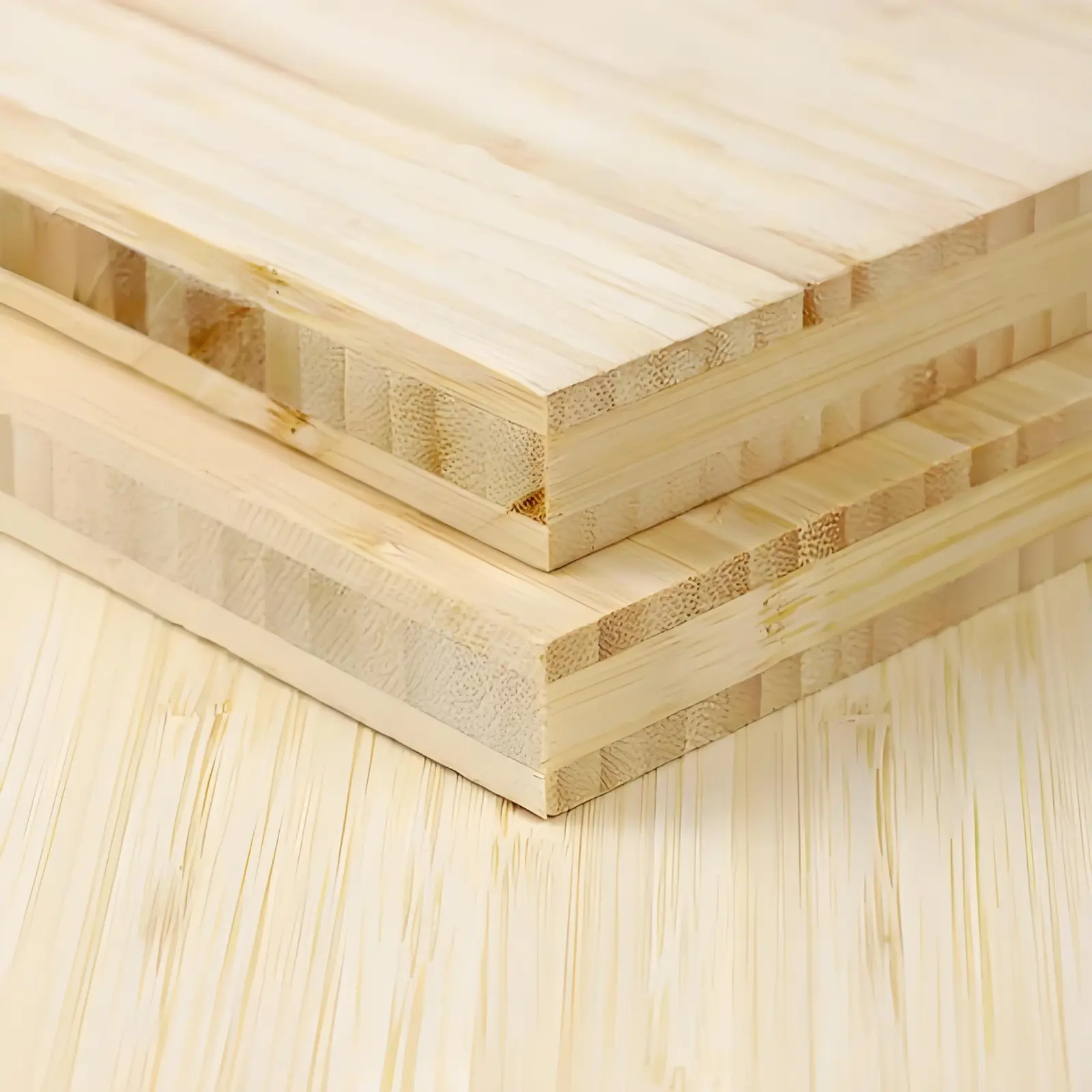
I-Structure Bamboo Panels for Thicker Applications
An I-structure bamboo panel uses outer skins with an engineered inner structure that separates and supports the faces. The visible cross-section resembles repeated I-shaped or vertical support elements. In thicker panels, this arrangement can provide a highly stable structure while placing material where it contributes most effectively to the panel geometry.
I-structure panels are normally specified according to the application rather than selected from the standard solid-panel thickness list. A complete request should define the overall thickness, face thickness, core geometry, edge closure, load direction, unsupported span, machining areas and required testing. Areas that receive screws, fittings or deep machining may need solid reinforcement.
Structural Stability Ranking for Thick Bamboo Panels
When the application uses a relatively thick board, and the bamboo material, adhesive quality, moisture control, panel dimensions and manufacturing level are comparable, the practical structural stability ranking is:
- I-structure bamboo panel — strongest stability among the structures compared here for properly engineered thick-panel applications.
- Cross-laminated bamboo plywood — alternating grain directions create a balanced panel and help control dimensional movement.
- Side-pressed bamboo plywood — dense vertical-strip construction provides better thick-panel stability than horizontal-pressed construction.
- Horizontal-pressed bamboo plywood — attractive flat-grain surface and broad thickness availability, but the structure is less balanced for demanding thick-panel applications.
Important: this ranking is a structure-selection guide, not a universal engineering value. Actual performance also depends on panel size, layer design, density, adhesive, moisture, support spacing, load direction, machining and final product construction. Approve samples and conduct application-specific testing when load-bearing performance is important.
Natural and Carbonized Bamboo Plywood
Natural and carbonized describe the appearance or processing of the bamboo rather than the core layup. Natural bamboo normally has a lighter yellow tone. Carbonized bamboo has a warmer brown color created through heat treatment during material preparation. A carbonized face can be combined with different panel constructions, so buyers must specify both the color treatment and the internal structure.
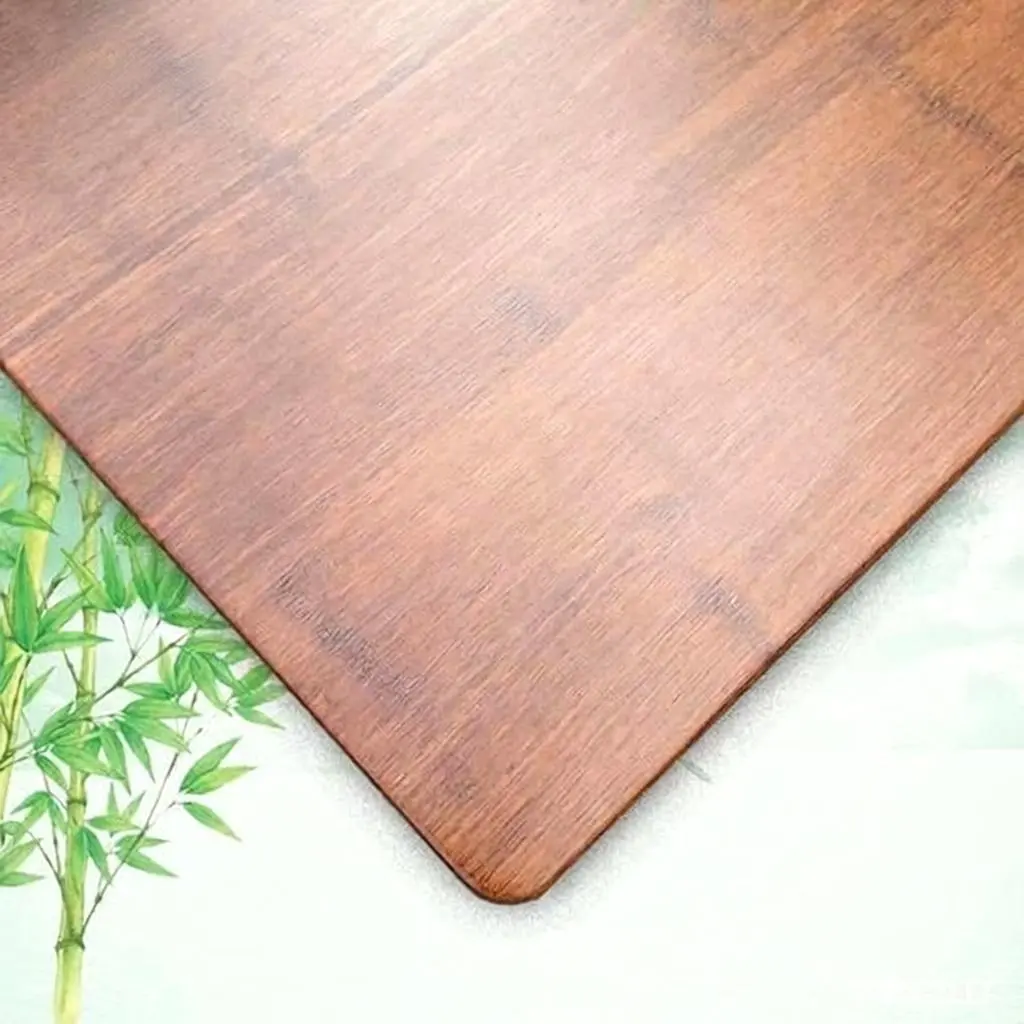
For color-sensitive orders, approve a physical range sample rather than relying only on a screen image. Bamboo is a natural material, so tone and grain variation should be controlled within an agreed range. Surface sanding, clear coating, staining and UV exposure can also influence the final appearance.
How a Bamboo Plywood Factory Controls Quality
A professional bamboo plywood factory should control both the raw bamboo and every stage of panel production. The purchasing specification should include measurable criteria instead of descriptions such as “good quality” or “furniture grade” without definitions.
- Raw material: bamboo species or approved source, strip dimensions, color range and defect limits.
- Moisture control: target moisture content and conditioning method before lamination.
- Layup: panel type, layer count, grain direction, face thickness and core structure.
- Bonding: adhesive system, pressing parameters and bond-line acceptance criteria.
- Dimensions: finished length, width, thickness, squareness and tolerance.
- Appearance: face grade, color, nodes, repairs, glue marks, gaps, sanding and edge quality.
- Performance: flatness, bonding, machining behavior and any application-specific mechanical or environmental tests.
- Packaging: corner protection, moisture protection, pallet configuration, labels and loading plan.
Testing requirements depend on the destination market, adhesive, coating and intended product. Buyers should confirm the exact standards that apply to the finished material and request documents that match the ordered construction, not merely a different bamboo product.
Wholesale Bamboo Plywood Thickness and Order Checklist
When requesting wholesale bamboo plywood, send one specification for each panel rather than combining several constructions under a single product name. The following checklist helps a manufacturer prepare a more accurate quotation:
- Panel construction: horizontal-pressed single layer, double layer, multilayer, side pressed, cross laminated or I-structure
- Natural or carbonized color and approved color range
- Length, width, finished thickness and tolerance
- Face grade, grain orientation and visible-side requirement
- Edge treatment: raw edge, sanded edge, edge banding or closed I-structure edge
- Adhesive, emission and destination-market requirements
- Surface: unfinished, sanded, coated, stained or custom finished
- Machining: cutting, drilling, routing, CNC work or component production
- Order quantity per construction and thickness
- Individual protection, pallet size, carton or pallet marks and delivery terms
Why MOQ and Price Change by Construction
Minimum order quantity and price may change with the layer structure, thickness, sheet size, color, surface grade, adhesive, finish and machining. Standard 16 mm or 21 mm side-pressed panels may follow a different production plan from a custom I-structure panel. Separating standard and custom specifications helps the factory explain tooling, setup, yield and lead-time differences.
Sample Approval Before Bulk Production
Approve a full-size sheet or representative cut sample that shows the face, edge and internal layup. Measure thickness at several positions and inspect flatness, bonding, color, sanding and machining. If the panel will become a shelf, tabletop or structural component, test it in the actual product configuration with realistic support spacing and load.
Choosing Between Bamboo Plywood Manufacturers
When comparing bamboo plywood manufacturers, look beyond the lowest square-meter price. A capable supplier should be able to explain why a construction suits the project, provide an edge sample or layup drawing, define tolerances, control moisture and bonding, and support repeat production.
- Send the same technical request to each supplier.
- Confirm the exact construction and common or custom thickness.
- Review face and edge samples, not only catalog photographs.
- Compare specifications, packaging and testing on the same basis.
- Approve the sample and quality criteria in writing.
- Arrange production inspection and verify the packing list before shipment.
Our manufacturing background, OEM/ODM support and factory information are available on the About page. A clear specification allows our team to recommend a suitable construction instead of treating every bamboo board as the same material.
Frequently Asked Questions
What are the regular thicknesses for side-pressed bamboo plywood?
The regular side-pressed thicknesses are 16 mm and 21 mm. Other dimensions may require confirmation based on production capability, quantity and final use.
Which bamboo panel is most stable when a thick board is required?
Under comparable production conditions, the stability order for thicker applications is I-structure first, followed by cross-laminated, side-pressed and horizontal-pressed bamboo plywood. Actual product performance must still be verified for the panel size, span, load and machining design.
Is carbonized bamboo plywood a separate structural type?
No. Carbonized describes the warm brown color treatment. The panel can still use a horizontal-pressed, side-pressed, cross-laminated or another specified construction.
What information is needed for a wholesale quotation?
Provide the construction, sheet size, thickness, tolerance, color, face grade, adhesive or compliance requirements, surface finish, machining, edge treatment, packaging, order quantity and destination. These details allow a bamboo plywood factory to calculate a meaningful offer.
Request a Bamboo Plywood Quotation
The correct bamboo panel is defined by its internal structure as well as its thickness. Whether you need thin horizontal-pressed sheets, regular side-pressed panels, balanced cross-laminated boards or a custom I-structure, a written specification and approved sample are the foundation of a reliable wholesale bamboo plywood order.
Send your drawing, required thickness, panel size, quantity and end-use information through our Contact page. Our team can review the application and discuss a suitable panel construction, sample plan and OEM manufacturing solution.