
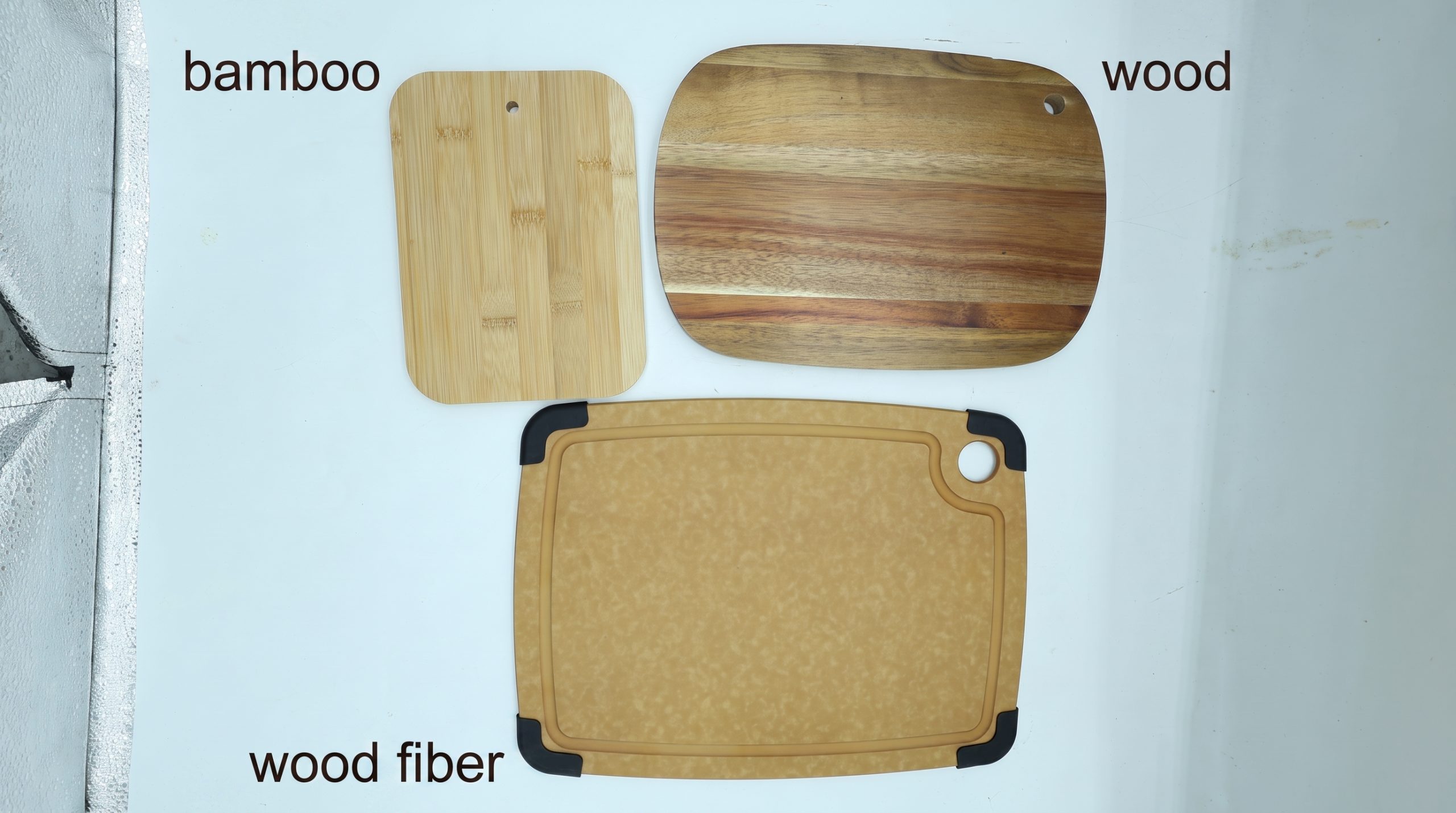
A wood fiber cutting board is a practical alternative to traditional solid wood and plastic cutting boards. Its slim profile, durable surface and relatively simple maintenance make it suitable for home kitchens, restaurants, food preparation areas and private-label kitchenware collections.
However, not every wood fiber cutting board has exactly the same composition or performance. Dishwasher compatibility, heat resistance and food-contact compliance depend on the material formulation and the manufacturer’s specifications.
This guide explains what a wood fiber cutting board is, its main advantages, how to use it correctly, how to clean and maintain it, and how to store it to extend its service life.
What Is a Wood Fiber Cutting Board?
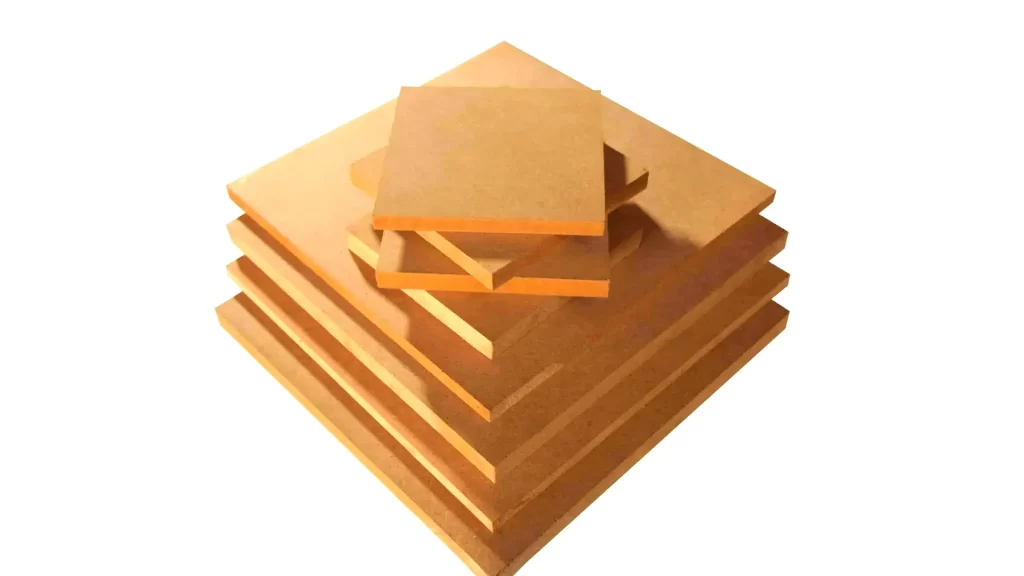
A wood fiber cutting board is a type of composite cutting board made primarily from compressed cellulose or wood-derived fibers combined with a bonding resin.
During production, layers of fiber material are normally bonded under controlled heat and pressure to create a dense, stable cutting surface. Depending on the manufacturer, the product may also be described as a wood fiber composite cutting board, paper composite cutting board or wood composite cutting board.
What Are Wood Fiber Cutting Boards Made Of?
Most products in this category contain cellulose-based fibers and a cured resin binder. The exact ratio and resin type vary by manufacturer.
Because a binder is normally part of the composite structure, buyers should not automatically describe every wood fiber board as completely resin-free or plastic-free. For commercial sourcing, request the following information from the supplier:
- Material composition
- Food-contact test reports
- Restricted-substance test reports
- Resin and adhesive information
- Dishwasher and heat-resistance instructions
- Recommended use and cleaning methods
Wood Fiber Cutting Board vs. Solid Wood Cutting Board
A solid wood cutting board is made from pieces of natural timber, while a wood fiber board is manufactured from compressed fibers and a bonding system.
Solid wood boards are usually thicker and may be refinished by sanding and oiling. Wood fiber cutting boards are normally thinner, easier to carry and require less routine maintenance.
The better option depends on the intended use, design preference, cleaning routine and budget.
What Are the Benefits of a Wood Fiber Cutting Board?
The main advantages of a wood fiber cutting board are its slim construction, stability, durability and low-maintenance surface.
These characteristics make it useful for consumers who want the appearance of a wood-based material without the maintenance requirements of a thick solid wood board.
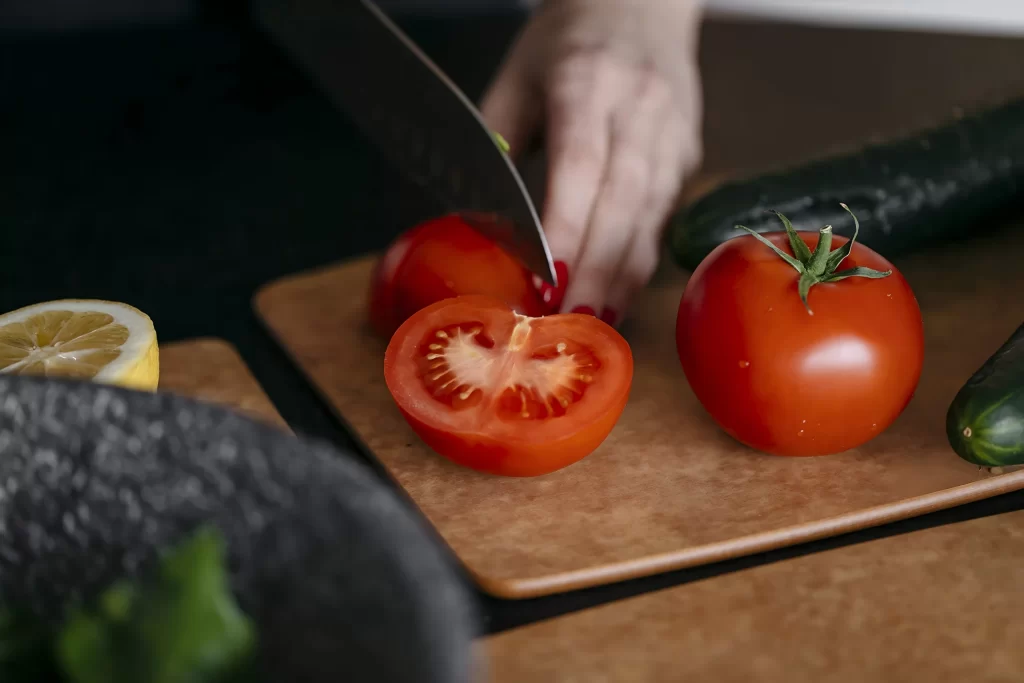
Slim and Lightweight Design
Wood fiber cutting boards can normally be produced in a thinner profile than many traditional wooden chopping boards.
The slim design makes them:
- Easier to lift and carry
- Convenient for small kitchens
- Simple to store vertically
- Suitable for serving and food preparation
- More economical to pack and transport
A utility hole can also be added for hanging or easier handling.
Durable and Dimensionally Stable
The compressed composite structure helps the board maintain a consistent shape during normal use.
Compared with untreated solid wood, a properly manufactured wood fiber composite cutting board may be less likely to split along a natural grain line. It can also offer better dimensional stability when exposed to normal kitchen moisture.
However, users should still avoid prolonged soaking unless the manufacturer specifically allows it.
Low-Maintenance Surface
Many wood fiber cutting boards do not require regular mineral-oil treatment.
This makes daily maintenance simpler than with some solid wood cutting boards. Routine washing and complete drying are normally sufficient, provided that the manufacturer’s care instructions are followed.
Suitable for Custom Designs
For brands, retailers and wholesalers, wood fiber composite material can be developed into different:
- Sizes
- Shapes
- Thicknesses
- Colors
- Handle designs
- Juice-groove designs
- Nonslip structures
- Logo and packaging options
Laser engraving, printing, labels and custom packaging can be used for OEM and private-label projects.
How to Use a Wood Fiber Cutting Board Correctly
Using a wood fiber cutting board correctly helps protect the user, the knife and the working surface.
Before the first use, wash the board according to the product instructions and allow it to dry completely.
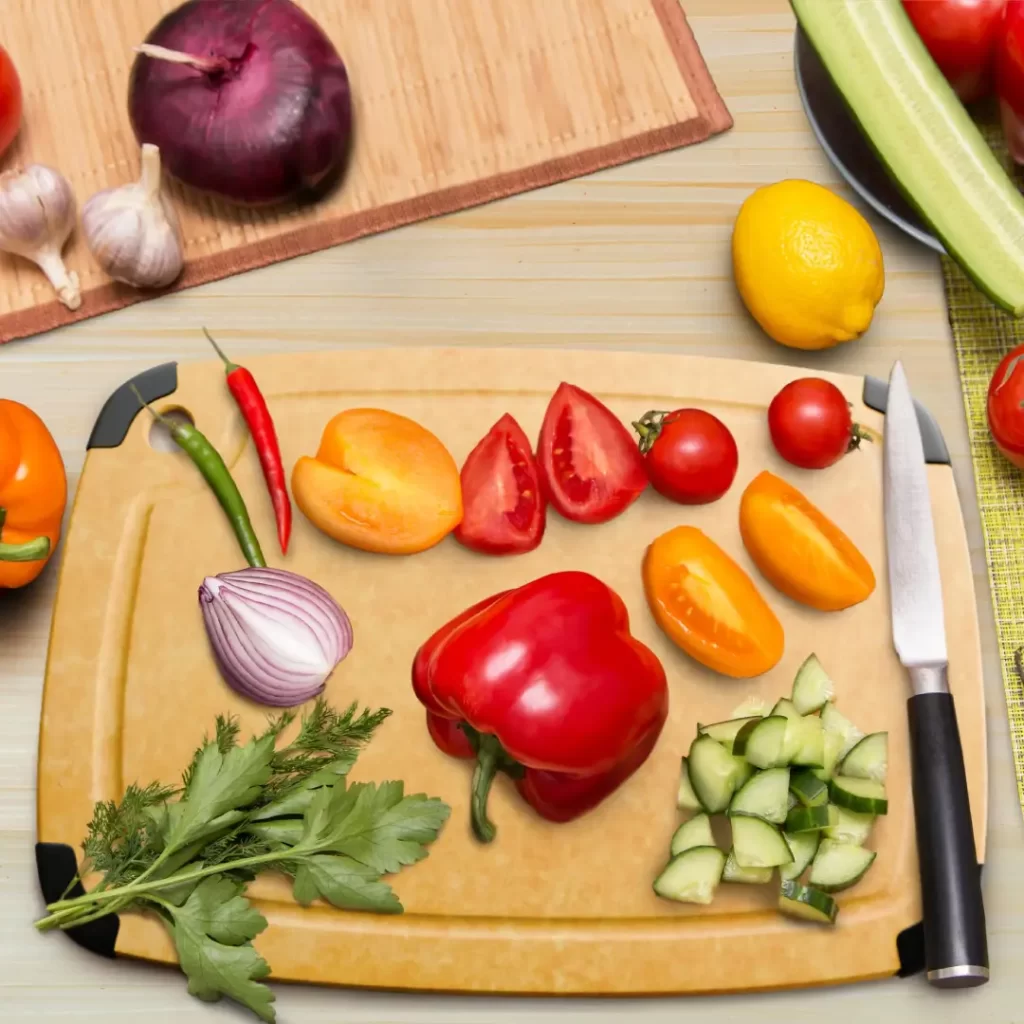
Place the Board on a Stable Surface
The cutting board should remain stable while chopping.
If the board does not have silicone feet or nonslip corners, place a clean, slightly damp kitchen towel underneath it. This reduces movement and makes food preparation safer.
Do not place the board on an uneven or unstable countertop.
Use Separate Boards When Preparing Raw Meat
When possible, use separate cutting boards for:
- Raw meat, poultry and seafood
- Vegetables and fruit
- Bread and cooked foods
- Ready-to-eat food
Using separate boards helps reduce the risk of cross-contamination.
If the same board is used for raw meat and other ingredients, it must be thoroughly washed and sanitized before it is used again.
Use the Correct Knife and Cutting Method
A wood fiber cutting board is designed for standard kitchen cutting and chopping.
For a longer service life:
- Use a normal chef’s knife, utility knife or paring knife
- Avoid striking the board with excessive force
- Do not use heavy cleavers to split bones unless the board is rated for that purpose
- Avoid using serrated tools as scraping instruments
- Lift food with a scraper instead of dragging the knife edge across the board
Using the side or back of the knife to move food can also help protect the blade.
Do Not Assume It Can Be Used as a Trivet
Some wood fiber boards are designed to withstand elevated temperatures and may also be used as trivets. Others are intended only for cutting and serving.
Do not place hot cookware directly on the board unless the product instructions provide a specific heat-resistance rating.
How to Clean a Wood Fiber Cutting Board
Correct cleaning is essential for maintaining the appearance and hygiene of a cutting board.
The safest general method is to wash it promptly after use rather than allowing food residue to dry on the surface.

Cleaning After Everyday Food Preparation
After cutting bread, vegetables, fruit or cooked food:
- Remove loose food particles.
- Wash the board with warm water and mild dish soap.
- Use a soft sponge or nonabrasive cleaning cloth.
- Rinse away all soap residue.
- Dry the surface with a clean towel.
- Allow the board to air-dry completely.
Avoid using steel wool, aggressive scouring pads or harsh abrasive cleaners, as they may damage the surface.
Cleaning After Raw Meat or Seafood
After the board has contacted raw meat, poultry or seafood, wash it immediately with hot, soapy water.
Where appropriate and permitted by the manufacturer, the board can then be sanitized using a food-contact-safe method.
Never use an ordinary household disinfectant on a food-contact board unless the product is specifically approved for that purpose and its instructions allow food-contact use.
Is a Wood Fiber Cutting Board Dishwasher Safe?
Some products are specifically manufactured and tested to be dishwasher safe. Other products may be damaged by repeated dishwasher heat, detergent or long washing cycles.
Before placing the board in a dishwasher, check:
- The product label
- The packaging instructions
- The manufacturer’s care guide
- The recommended dishwasher temperature
- Whether attached silicone feet are dishwasher safe
If the manufacturer does not clearly state that the wood fiber cutting board is dishwasher safe, wash it by hand.
Avoid Prolonged Soaking
Even when a composite board is moisture resistant, it should not be left submerged in a sink for extended periods unless the manufacturer specifically permits it.
Prolonged soaking may affect:
- Surface appearance
- Edge condition
- Attached silicone components
- Printed or engraved logos
- Decorative finishes
Prompt washing and drying remain the best routine.
Daily Care and Maintenance of a Wood Fiber Cutting Board
A wood fiber cutting board usually requires less maintenance than a traditional solid wood board, but it still needs proper daily care.
Following a consistent cleaning and inspection routine can extend its usable life.
Does a Wood Fiber Cutting Board Need Oil?
Many wood fiber composite cutting boards do not need mineral oil or wood conditioner because they are not made from unfinished solid wood.
Applying oil to a maintenance-free composite board may leave an unwanted residue or change its surface appearance.
Only apply oil or conditioner when the manufacturer specifically recommends it.
How to Prevent Stains and Odors
To reduce staining and odor retention:
- Clean the board immediately after use
- Do not leave strongly colored food on the surface
- Do not store the board while damp
- Avoid leaving garlic, onion, fish or raw meat residue overnight
- Use only manufacturer-approved nonabrasive cleaners
For a persistent stain or odor, follow the product’s official care instructions rather than using aggressive bleach, solvents or abrasive powders.
Inspect the Surface Regularly
Check the cutting surface and edges for:
- Deep knife grooves
- Cracks
- Chipped edges
- Delamination
- Warping
- Loose silicone feet
- Areas that are difficult to clean
A board should be replaced when it becomes excessively worn, cracked or damaged in a way that prevents effective cleaning.
Avoid Unapproved Sanding or Refinishing
Unlike a thick solid wood board, a thin composite board may not be designed for sanding or resurfacing.
Sanding could change the thickness, surface finish or food-contact characteristics. Do not sand, drill or modify the board unless the manufacturer confirms that the material can be safely refinished.
How to Store a Wood Fiber Cutting Board
Proper storage helps prevent moisture buildup, deformation and unwanted odors.
The board must be completely clean and dry before it is placed in a cabinet, drawer or storage rack.
Store It Vertically When Possible
Vertical storage is often the most convenient option for a slim wood fiber cutting board.
Use:
- A cutting-board rack
- A ventilated cabinet organizer
- A plate holder
- A wall hook if the board has a utility hole
Leave enough space between boards for air circulation.
Make Sure the Board Is Completely Dry
Do not place a damp cutting board flat inside a closed drawer or stack it tightly against other boards.
Trapped moisture may create odor, discoloration or hygiene problems.
Allow both sides and all edges to dry completely before storage.
Keep It Away from Excessive Heat
Do not store the board:
- Against an oven
- Directly above a hot stove
- Near an open flame
- In strong direct sunlight
- On a hot commercial kitchen surface
Long-term exposure to uneven heat may affect the appearance or shape of the board.
Avoid Heavy Pressure During Storage
Do not place heavy cookware or appliances on top of a thin cutting board for extended periods, especially when the board is warm or damp.
Store it vertically or flat on an even surface without excessive weight.
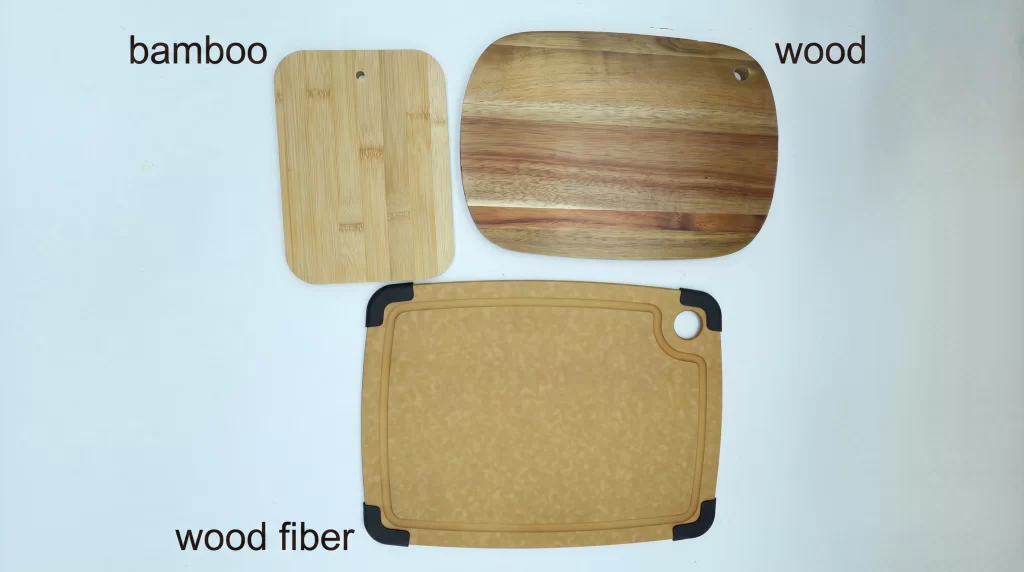
Wood Fiber Cutting Board vs. Bamboo and Solid Wood
No single cutting-board material is best for every kitchen.
The correct choice depends on cleaning requirements, product weight, maintenance preferences, knife use, appearance and price.
Wood Fiber vs. Plastic Cutting Board
A wood fiber board usually provides a more natural appearance and a slimmer, more rigid structure than many standard plastic boards.
Plastic boards are often inexpensive, lightweight and available in color-coded options. However, their surfaces may develop visible knife grooves over time.
A wood fiber board may offer better dimensional stability and a more premium appearance, but the buyer must verify its food-contact documentation and care requirements.
Composite Cutting Board vs. Wood Cutting Board
A traditional solid wood board offers a natural texture and can sometimes be sanded and refinished. It may, however, require regular oiling and careful hand washing.
A composite wood cutting board usually requires less routine maintenance and may be thinner and easier to store.
Consumers who prefer a thick traditional surface may choose solid wood. Those prioritizing simple care and a slim profile may prefer wood fiber composite material.
Frequently Asked Questions About Wood Fiber Cutting Boards
The following questions correspond to common searches made by consumers considering a wood fiber cutting board.

Are Wood Fiber Cutting Boards Safe?
A wood fiber cutting board can be suitable for food preparation when it is manufactured for food contact and supported by the appropriate test documentation.
Safety cannot be determined from the words “wood fiber” alone. Buyers should verify the complete material composition, resin system, food-contact testing and recommended use.
Are Wood Fiber Cutting Boards Non-Toxic?
The term “non-toxic” should not be used without supporting evidence.
For B2B sourcing, request relevant laboratory reports and declarations for the target market. Testing requirements may depend on the product, intended food contact, temperature and destination country.
Do Wood Fiber Cutting Boards Contain Plastic?
Many wood fiber composite products use a cured resin binder. Whether that material should be described as plastic depends on the specific chemistry and product construction.
Manufacturers should provide accurate composition information and avoid making unsupported “plastic-free” or “microplastic-free” claims.
Do Wood Fiber Cutting Boards Retain Odors?
A dense composite surface may absorb less moisture than some unfinished wood surfaces, but no cutting board is completely immune to odors.
Cleaning the board immediately after cutting garlic, onion, meat or fish and allowing it to dry fully will help reduce odor retention.
Are Wood Fiber Cutting Boards Good for Knives?
Many wood fiber cutting boards are designed to offer a knife-friendly preparation surface. However, blade wear depends on the board’s hardness, surface formulation, knife type and cutting technique.
Avoid glass, stone or ceramic-style cutting surfaces when protecting knife edges is a priority.
How Long Does a Wood Fiber Cutting Board Last?
Service life depends on:
- Frequency of use
- Product thickness
- Cutting technique
- Cleaning method
- Dishwasher frequency
- Storage conditions
- Material and manufacturing quality
Replace the board when it develops deep damage, cracks, delamination or surfaces that can no longer be cleaned effectively.
Choosing a Wood Fiber Cutting Board Manufacturer
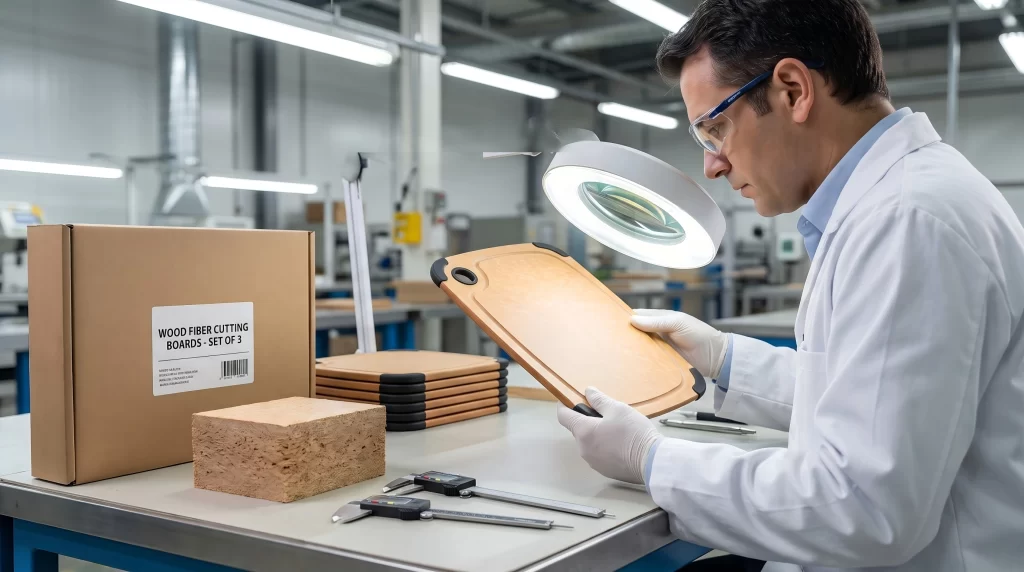
Importers, wholesalers, retailers and brand owners should evaluate more than product appearance when sourcing a wood fiber cutting board.
A qualified manufacturer should provide clear information about material composition, production processes, food-contact testing, quality control and customization capabilities.
Information Buyers Should Request
Before ordering, confirm:
- Material composition
- Board dimensions and thickness
- Food-contact compliance
- Dishwasher compatibility
- Heat-resistance rating
- Surface and edge finish
- Logo method
- Packaging requirements
- Minimum order quantity
- Sample and production lead time
OEM and Private-Label Options
Custom options may include:
- Custom sizes and shapes
- Custom colors
- Juice grooves
- Utility holes
- Silicone feet or corners
- Laser-engraved logos
- Printed packaging
- Retail boxes
- E-commerce packaging
- Multipiece cutting-board sets
A confirmed production sample should be approved before mass production.
A wood fiber cutting board offers a slim, durable and relatively low-maintenance option for everyday food preparation.
Its main benefits may include convenient storage, dimensional stability, simple cleaning and flexible design options. However, dishwasher safety, heat resistance, material composition and food-contact compliance vary between manufacturers.
For the best results:
- Follow the product’s official care instructions.
- Wash the board promptly after use.
- Avoid prolonged soaking.
- Separate raw meat from ready-to-eat food.
- Dry the board completely before storage.
- Replace it when the surface becomes excessively damaged.
For importers, wholesalers and brand owners, Fujian Xianxu Bamboo & Wood Co., Ltd. provides OEM and private-label development services for wood fiber cutting boards and other bamboo and wooden kitchen products.
Contact our team with your required size, quantity, logo, packaging and target market to discuss a customized project.